
As the frost thaws and the first buds of spring appear in Pennsylvania, it’s time to look up. While most homeowners focus on their lawns and flower beds during the spring, your trees—the true anchors of your landscape—need just as much attention to thrive in the coming year.
A little proactive care now can prevent expensive emergencies later. Here are the top things every homeowner should consider as the seasons change, and how Coleman Tree Services can help you get your property into top shape.
1. Inspect for Winter Damage
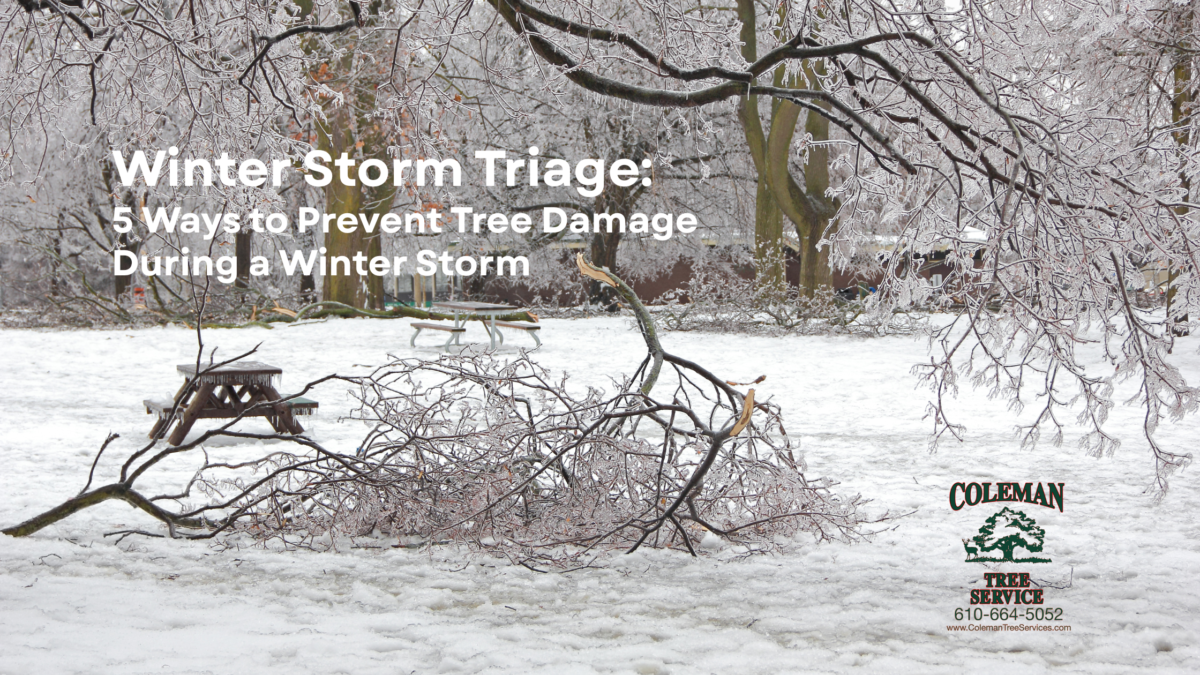
Winter storms and heavy ice can be brutal on tree structures. Take a walk around your property and look for:
-
Dead or hanging branches: These are “widow-makers” that could fall at any time, especially during spring thunderstorms.
-
Cracks in the trunk: Deep splits can be a sign of internal stress or disease.
-
Leaning trees: If a tree looks like it shifted over the winter, the root system may be compromised by oversaturated soil.
How we help: Our team provides professional assessments. We can identify structural weaknesses that aren’t always visible to the untrained eye and recommend whether a tree needs pruning or, in some cases, safe removal.
2. Prioritize Strategic Pruning
Spring is the ideal window for “cleaning up” the canopy. Removing deadwood and thinning out overgrown branches does more than just make the tree look better; it improves airflow and allows sunlight to reach the inner leaves. This reduces the risk of fungal diseases that thrive in damp, stagnant spring air.
How we help: At Coleman Tree Services, we specialize in Tree Trimming & Pruning. We use professional-grade equipment (including cranes for those hard-to-reach spots) to shape your trees safely without damaging the bark or surrounding property.
3. Clear the Debris (The “True” Cleanup)
Leaves, twigs, and fallen limbs often pile up at the base of your trees during the winter. If left alone, this debris traps moisture against the trunk, creating a breeding ground for mold, rot, and wood-boring pests.
How we help: We don’t just cut and leave. Our spring cleanup services include clearing away debris and offering Firewood & Mulch Delivery. We can even turn those fallen branches into fresh mulch for your garden beds!
4. Don’t Forget the Stumps
If you have old stumps from last year’s removals, spring is the best time to handle them. Stumps are a magnet for termites and ants, and they can be a major headache once you start mowing your lawn again.
How we help: We offer Stump Grinding & Removal. Our machines can fit through a standard 36” gate, allowing us to grind down unsightly stumps anywhere on your property so you can plant fresh grass or flowers in their place.
5. Feed and Mulch
After a long dormancy, trees are hungry for nutrients. Applying a fresh layer of mulch helps retain moisture and regulate soil temperature as the weather warms up. Just remember the “donut, not the volcano” rule—never pile mulch directly against the trunk!
Let Coleman Tree Services Handle the Heavy Lifting
Your home is your biggest investment, and your trees are a huge part of its value and curb appeal. Don’t spend your weekends hauling heavy branches or risking a fall on a ladder.
Whether you need a full property cleanup, emergency limb removal, or just some expert advice on the health of your oaks and maples, Coleman Tree Services is here for you. We’ve been serving the Main Line, Delaware County, and Montgomery County area for over 50 years with reliable, friendly, and fully insured service.
Ready to start your spring cleanup? Click here to get a Free Estimate or call us today at 610-664-5052. Let’s get your landscape ready for a beautiful summer!